
New-Build vs Older Homes: Which Is Right for You?
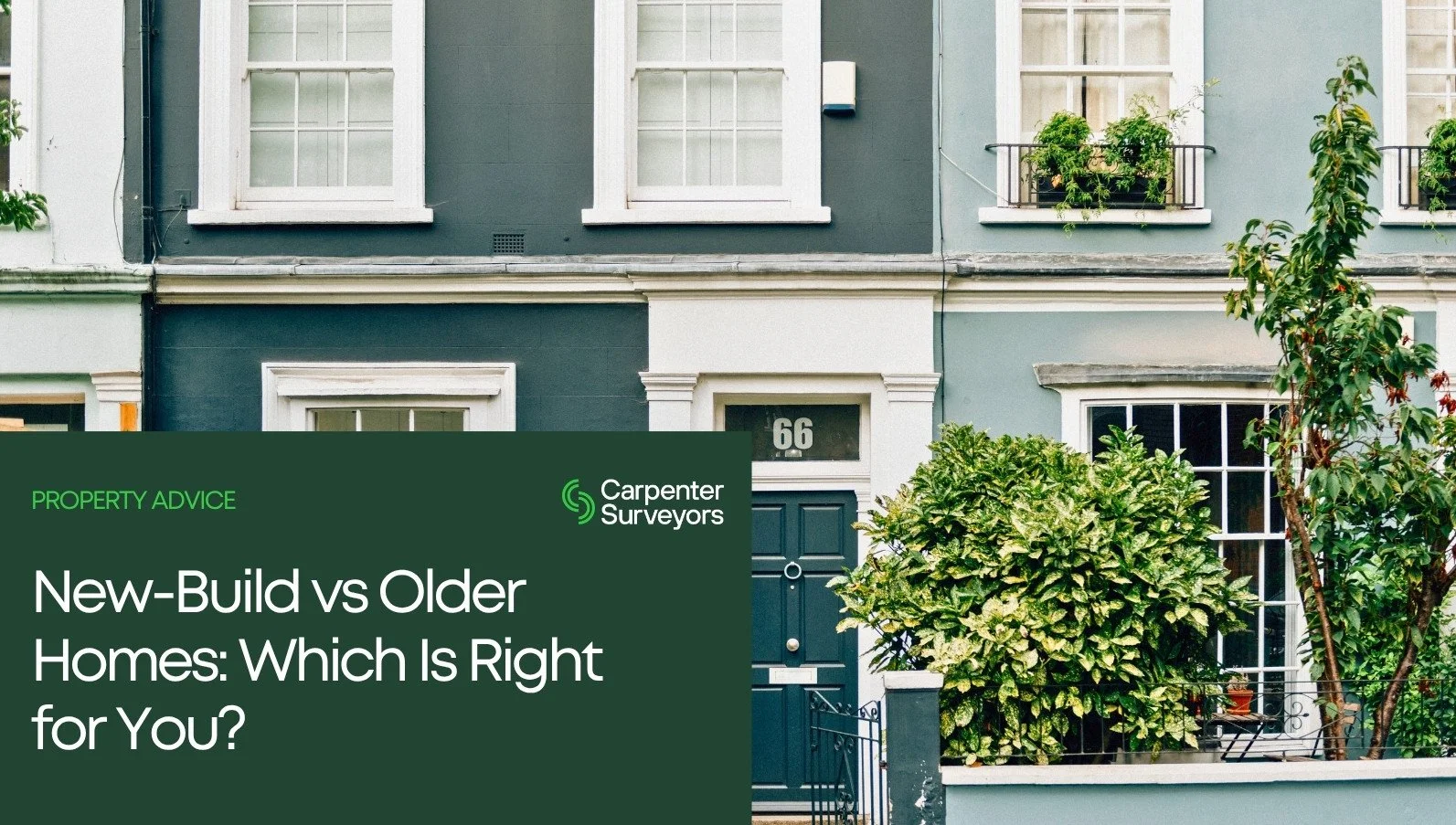
New-build homes typically offer better energy efficiency, warranties and modern layouts, while older homes provide character, larger plots and established locations. Both property types can have hidden defects, making an independent survey an important part of the buying process.
Whether you're a first-time buyer, moving up the property ladder or investing in your next home, one question often comes up:
Should you buy a new-build home or an older property?
Both options have their advantages. New-build homes offer modern layouts, energy efficiency and warranties, while older homes can provide character, larger plots and established locations.
However, neither option is risk-free. New-build properties can suffer from construction defects and snagging issues, while older homes may conceal problems such as damp, roof deterioration or structural movement.
Understanding the benefits and drawbacks of each can help you make a more informed decision—and ensure you commission the right survey before committing to a purchase.
Key Takeaways
New-build homes are generally more energy efficient and require less immediate maintenance.
Older homes often offer more character, larger gardens and established neighbourhoods.
New-build properties are not always defect-free and can benefit from a professional snagging inspection.
Older homes may hide issues that are only identified through a survey.
A RICS survey can help buyers understand the true condition of a property before exchange of contracts.
The Benefits of New-Build Homes
1. Better Energy Efficiency
One of the biggest advantages of modern homes is energy performance.
New-build properties are constructed to current Building Regulations and typically achieve higher EPC ratings than older homes. Features often include:
High levels of insulation
Energy-efficient heating systems
Double or triple glazing
Low-energy lighting
Electric vehicle charging points
Solar panels on some developments
For homeowners, this can mean lower running costs and improved comfort throughout the year.
2. Modern Design and Layouts
New homes are designed around contemporary lifestyles.
Open-plan kitchens, dedicated home-working spaces, integrated storage and modern bathrooms are common features. Buyers who purchase off-plan may also be able to choose finishes, fixtures and upgrades before construction is completed.
3. Warranties and Consumer Protection
Most new-build homes are sold with a 10-year structural warranty, often provided through organisations such as NHBC, LABC Warranty or Premier Guarantee.
Buyers are also protected by the New Homes Quality Code and the New Homes Ombudsman Service, which provide additional safeguards if problems arise after purchase.
4. No Upward Chain
Buying directly from a developer can simplify the transaction.
Without an upward chain, there is less risk of delays caused by other buyers or sellers, helping the process move more smoothly.
The Drawbacks of New-Build Homes
1. Snagging and Construction Defects
A common misconception is that a brand-new home will be free from defects.
In reality, surveyors regularly identify issues such as:
Poor brickwork
Incomplete insulation
Drainage defects
Roofing problems
Poor finishing standards
A professional snagging inspection can identify defects before they become expensive problems.
2. Smaller Plots
Many modern developments are built at higher densities than older housing stock. As a result, buyers may find that gardens, driveways and room sizes are smaller than comparable period properties.
3. Estate Management Charges
Some modern developments include ongoing estate maintenance charges to fund communal landscaping, roads and open spaces. Buyers should understand these costs before proceeding.
The Benefits of Older Homes
1. Character and Charm
Period properties often feature architectural details that are difficult to replicate in modern construction.
These may include:
Original fireplaces
High ceilings
Decorative mouldings
Sash windows
Traditional brickwork and craftsmanship
For many buyers, these features are a major part of a property's appeal.
2. Larger Gardens and Established Settings
Older homes are often located on larger plots within mature neighbourhoods.
Established trees, wider streets and developed local amenities can create a strong sense of community and provide a more settled environment.
3. Proven Track Record
With older properties, buyers can often review previous sale prices and gain a clearer understanding of how the property has performed over time.
This can help provide confidence in the long-term value of the investment.
4. Potential to Add Value
Older properties frequently offer opportunities for improvement.
Extensions, loft conversions, renovations and energy-efficiency upgrades can increase both enjoyment and property value when completed correctly.
The Drawbacks of Older Homes
1. Higher Maintenance Costs
Older buildings require ongoing care and maintenance.
Common issues include:
Roof repairs
Damp problems
Timber decay
Outdated electrics
Ageing plumbing systems
2. Lower Energy Efficiency
Many period properties were built long before modern energy-efficiency standards existed.
Improving insulation, upgrading windows and replacing heating systems can involve significant investment.
3. Hidden Defects
Not all problems are immediately visible during a viewing.
Issues such as structural movement, damp, roof defects and previous poor-quality alterations may only be identified through a professional survey.
Do You Need a Survey?
Whether you're buying a new-build home or an older property, an independent survey can provide valuable peace of mind.
A survey can help identify defects, maintenance concerns and potential future costs before you exchange contracts.
For older homes, a RICS Home Survey or Building Survey can reveal issues that may affect value or require significant expenditure.
For new-build homes, a snagging inspection can identify construction defects and workmanship issues that should be addressed by the developer.
Get Expert Advice Before You Buy
Every property is different.
At Carpenter Surveyors, our experienced RICS-regulated surveyors provide independent advice to help buyers make informed decisions with confidence.
Whether you're purchasing a brand-new home or a character property with decades of history, we offer professional Home Surveys, Building Surveys and Valuation Services across the Midlands.
Contact Carpenter Surveyors today for a no-obligation quote and ensure you understand the true condition of your property before you commit.